The Ultimate Guide to Buying an Apartment in Bengaluru (2026 Edition)
Everything you need before putting down a token: A-Khata vs B-Khata verification, RERA legal checks, hidden registration fees, and the top high-yield micro-markets.
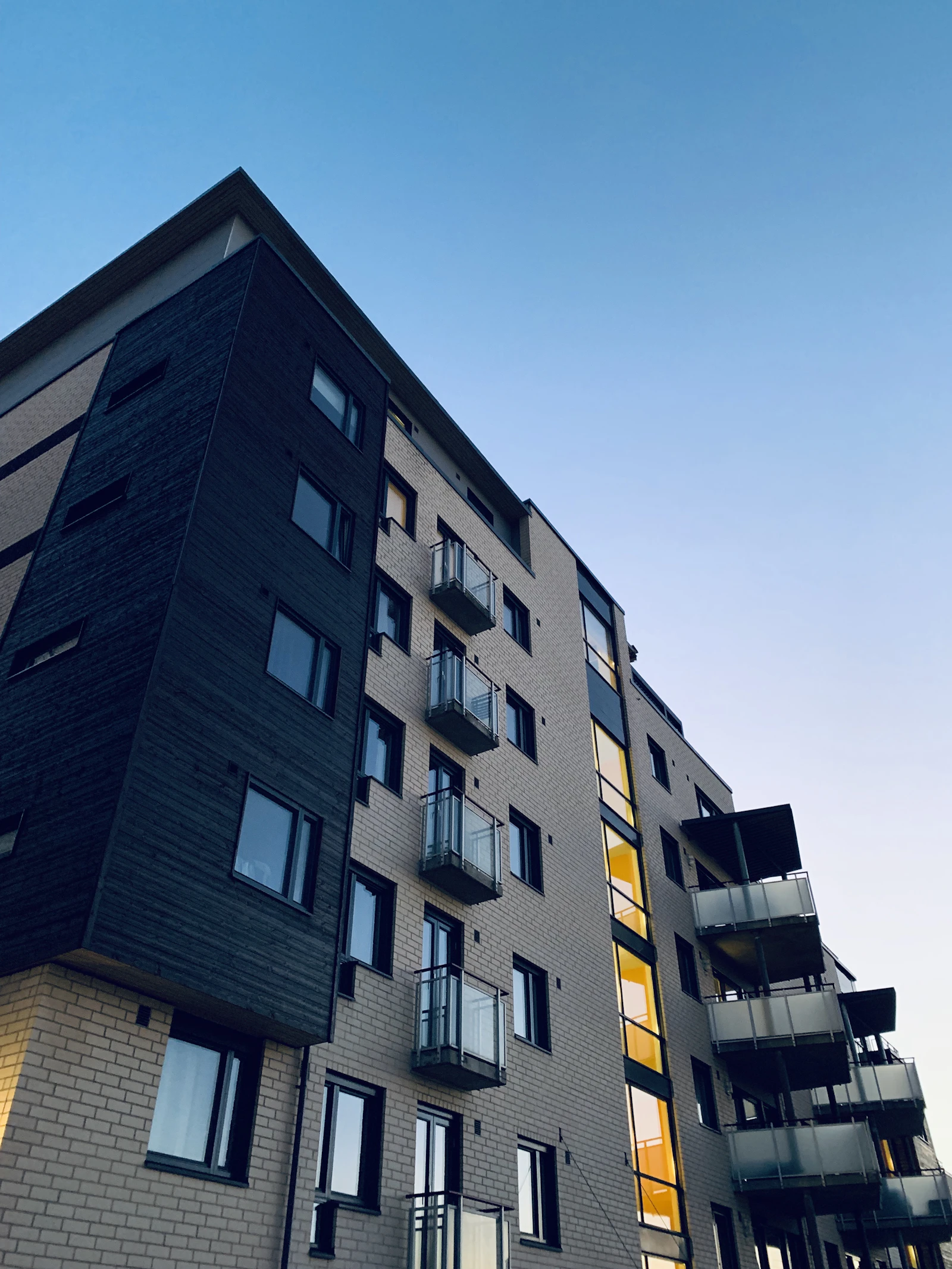
Navigating Bengaluru's dynamic real estate landscape requires more than just browsing floor plans. Whether you are eyeing an upcoming corridor near the Metro extension or an established enclave in Indiranagar, carrying out methodical due diligence is the single highest-return activity you will undertake.
1. The Non-Negotiable Document: RERA & Approvals
Before paying any booking token, verify that the project is registered with Karnataka RERA (K-RERA). Cross-check the approved master plan, completion timeline commitments, and escrow bank details directly on the official portal.
2. Decoding Khata: A-Khata vs B-Khata
In BBMP jurisdiction, the type of Khata directly determines legal ownership and resale viability:
- A-Khata: Fully compliant property with sanctioned building plan, occupancy certificate (OC), and direct access to bank home loans.
- B-Khata: Temporary tax-paying register entry acknowledging unauthorized construction or zoning deviations. Major national banks do not finance B-Khata apartments.
- Occupancy Certificate (OC): An absolute must for ready-to-move projects. Never take physical possession without the builder procuring an OC from BBMP/BDA.
“A lower price per square foot on an unapproved property is not a bargain—it is a deferred legal liability that compounds every year.”
— Awasio Legal Advisory Desk
3. Estimating Real Total Cash Outflow
Beyond the base sale price quoted by promoters, factor in statutory stamp duty (approx 5.6%), registration cess (1%), GST (5% on under-construction; 0% on ready properties with OC), plus maintenance corpus deposits, clubhouse amenity charges, and legal drafting costs.